On Oct. 28, Officer Peter “Pete” Zajac with the Farmington Police Department died by suicide. The news came in a Facebook post on Oct. 29 from the Farmington Police: “Late last …
This item is available in full to subscribers.
To continue reading, you will need to either log in, using the login form, below, or purchase a new subscription.
If you are a current print subscriber, you can set up a free website account and connect your subscription to it by clicking here.
Otherwise, click here to view your options for subscribing.
Please log in to continue |

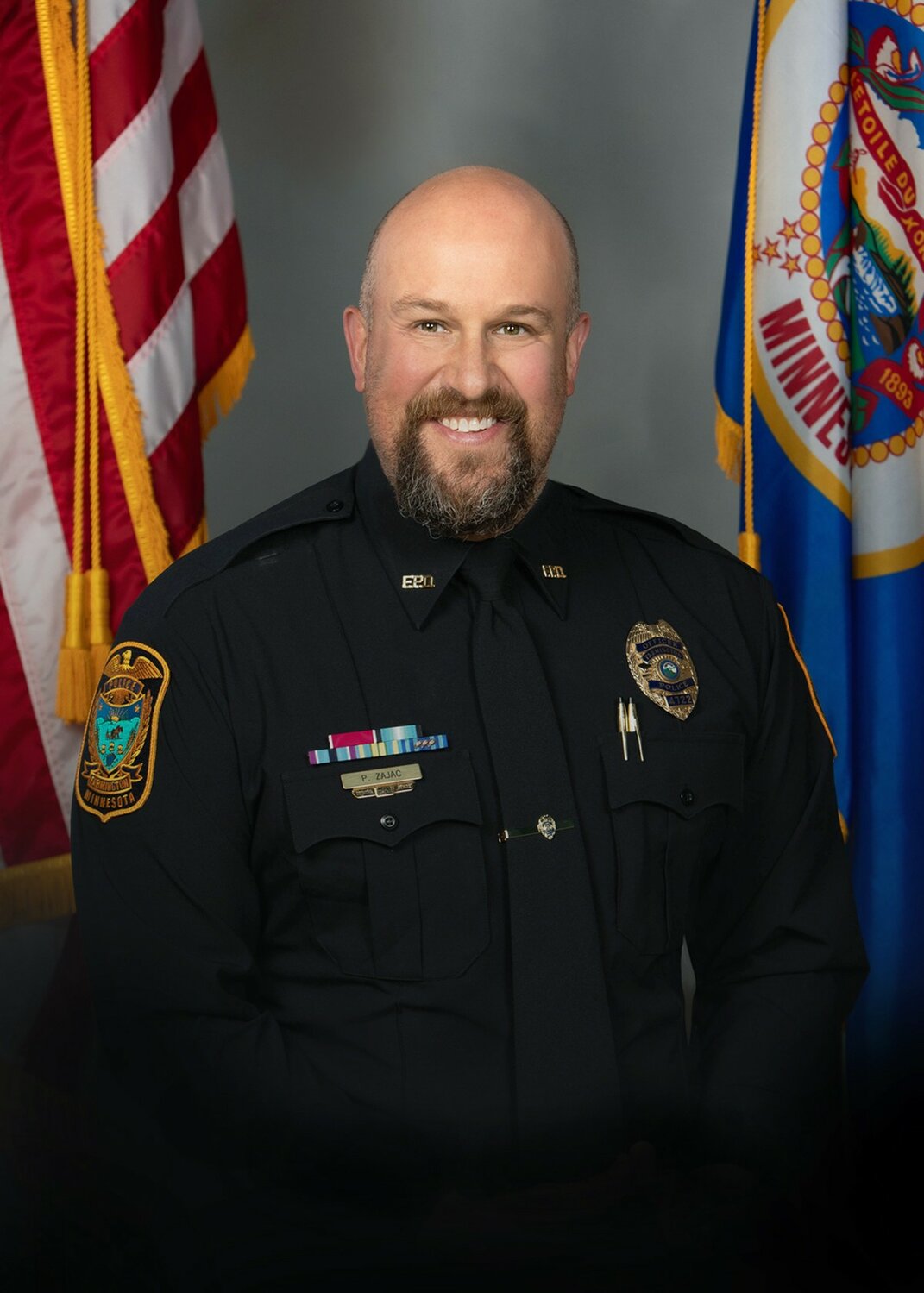


On Oct. 28, Officer Peter “Pete” Zajac with the Farmington Police Department died by suicide.
The news came in a Facebook post on Oct. 29 from the Farmington Police: “Late last night, Officer Pete Zajac took his life […] Our entire police department family is in mourning and our hearts go out to his entire family. His presence within our department and our community as a whole will be missed.”
Zajac served with the Farmington Police for 15 years, the last two of which he worked as the School Resource Officer within the Farmington School District.
He is survived by his wife and three children.
A memorial has been set up outside of the Farmington Police Station where visitors can leave notes and flowers.
A GoFundMe has also been set up for the family in order to raise funds for the funeral and memorial, the family’s household needs and living costs, and to support Zajac’s three children along with future educational expenses.
“In this time of unimaginable grief, we are coming together to support the Zajac family as they navigate life without their beloved husband and father. The emotional toll is overwhelming, and the financial strain that accompanies such a tragedy only adds to the burden,” states the GoFundMe page.
September is National Suicide Awareness Month, which saw local governments highlighting a number of mental health resources available to Hastings residents.
Key among them is the National Suicide Prevention hotline which can be found by dialing 988. The national hotline also has support for text and online chatting and is available 24 hours a day, 365 days a year.
“When you connect to the 988 Lifeline, a trained specialist will answer, listen to you, and provide support and share resources if needed. 988 Specialists are trained to focus on de-escalation, safety planning, and coping skills,” according to the Minnesota Department of Health website.
Within Dakota County, the county offers the Crisis Response Unit (CRU). 911 calls for mental health emergencies are routed to CRU staff who are trained to “reduce trauma, provide equitable service, improve public safety, and work across systems to help residents,” according to the Dakota County website.
The CRU provides a number of services including mental health crisis assessments, access to urgent psychiatry and therapy, family education and support, crisis phone support, referrals to community resources, and crisis stabilization services.
To reach the Dakota County Mobile Crisis Response team directly, call 952-891-7171.
Last year Dakota County opened its Crisis Recovery Center, in partnership with the nonprofit mental health service provider Guild.
The center is located in Mendota Heights at the Dakota County Northern Service Center and provides intensive residential treatment services, crisis residential services, and place to go, mental health assessment and support for adults in crisis.
For non-emergency mental health resources, Dakota County has partnered with CredibleMind to provide residents with expert-curated and scientifically backed podcasts, videos, articles, and courses across a number of topics from self care to anxiety to addiction.